


Reference Specification
Motor Model:FF-K10
Motor commutator:Metal brush motor
Nominal Volt:3.0v

Electric Brushed Motor

Your Professional DC Micro Motor Manufacturer!
Guang Dong Lihua Mechatronics Co.,Ltd is a well-established company in the producing micromotor since 2003, more than 12000 square meter,500+customers and 300 + workers. Committed to providing high-quality, reliable, and high-performance micro motors, we cater to a variety of industrial and consumer applications. Whether you need small electric tools, smart home devices, or medical equipment, we can offer customized solutions. Partner with us to enhance the performance and competitiveness of your products!
12000+
Workplace Area
20+
years experience
1000+
Solutions & Cases
90%
Automation
-
![Small Dc Motor]()
-
![RF-320CH-14310 Mini Motor]() RF-320CH-14310 Mini MotorModel:RF-320CH-14310 Motor Voltage:3V Body Size:24.4mm*18.3mm Custom Design:Acceptedread more
RF-320CH-14310 Mini MotorModel:RF-320CH-14310 Motor Voltage:3V Body Size:24.4mm*18.3mm Custom Design:Acceptedread more -
![300 Solar Motor DC 2V 3V 5V 6V 10300RPM]() 300 Solar Motor DC 2V 3V 5V 6V 10300RPMVoltage Range:1V-36V (Optional)read more
300 Solar Motor DC 2V 3V 5V 6V 10300RPMVoltage Range:1V-36V (Optional)read more
Cable length:50mm-110mm
Lightweight: 20 g
Diameter of shaft:2MM
Speed:1000RPM-11000RPM (Optional) -
![DC Motor M20]() DC Motor M20A DC motor is powered by direct current, which converts electrical energy into mechanical energy. This mechanical energy causes rotational movement within the motor, helping to power a vast...read more
DC Motor M20A DC motor is powered by direct current, which converts electrical energy into mechanical energy. This mechanical energy causes rotational movement within the motor, helping to power a vast...read more -
![DC Motor M20]()
-
![Micro Motor N20]() Micro Motor N20Model: FF-N20read more
Micro Motor N20Model: FF-N20read more
Product Category: Micro Motor ,
Out Put: 0.2-0.8W
Commutation: Electric Brush
Construction: Permanent Magnet
Material Type:Copper
Weight: 6g -
![N30 DC Micro Motor]() N30 DC Micro MotorModel: FF-N30read more
N30 DC Micro MotorModel: FF-N30read more
Product Category: Micro Motor
Typical applications: CD player, MD recorder
Out Put: 0.1-0.8w -
![Micro Motor for Gearbox]() Micro Motor for GearboxModel: FF-030read more
Micro Motor for GearboxModel: FF-030read more
Product Category: Micro Motor, Electric brushed motor
Out Put: 0.05-2W
Weight: 10g -
![Sphygmomanometer Motor]() Sphygmomanometer MotorModel: FF-031PKread more
Sphygmomanometer MotorModel: FF-031PKread more
Product Category: Micro Motor
Typical applications: Sphygmomanometer
Out put: 0.2-3.5W -
![032 DC Motor]() 032 DC MotorModel: FF-032read more
032 DC MotorModel: FF-032read more
Product Category: Micro Motor
Typical applications: Sphygmomanometer
Out Put: 0.05-3.5W -
![DVD Drive Motors]() DVD Drive MotorsModel: FF-050SKread more
DVD Drive MotorsModel: FF-050SKread more
Product Category: Micro Motor
Out put: 0.4-3.5W
Weight: 16g -
![Round Electric Motor]() Round Electric MotorModel: RF-300CAread more
Round Electric MotorModel: RF-300CAread more
Product Category: Micro Motor
Out Put: 0.05-0.5W
Weight: 21g


What is electric Brushed motor?
According to the difference of motor brush type,electric motor can be divided into two main catagories:Electric Brushed motor and Carbon Brushed motor.
Generally used for high speed micro-motors, carbon brushes have a longer service life than regular metal brushes but produce more noise. In comparison, metal brushes make very little noise but have a shorter service life.
-
Low NoiseSuitable for Low-noise equipment
-
More CompetitiveBetter price more affordable


What Key Components Determine The Price & Performance Of a Motor

COMMUTATOR
Commutator is a key component in DC motors, mainly used to change the direction of the current, so as to realise the forward and reverse rotation of the motor. The commutator plays a vital role in the operation of a Sigma motor, and its performance directly affects the efficiency and stability of the DC motor. The commutator usually consists of a set of metal plates that are in close contact with the brushes of the motor.
MOTOR BRUSH
Brushes have metal brushes and carbon brushes. Carbon brushes miniature motor to be longer than the service life of metal brushes, because the friction of brushes and commutator will produce a lot of heat, the greater the friction, the higher the temperature, the temperature is too high and will damage the brushes, while friction is too large will have an impact on the speed of the miniature motor.


Bearing
The function of the bearings is to support and locate the rotor. The motor shaft is supported by the bearing between the inner and outer rolling elements and the seat ring that rotates with the shaft. The bearings must be able to withstand centrifugal forces, vibrations and accelerations from starting and stopping as well as during operation. Most bearings are made of steel or aluminium alloys. High-quality bearings are also available for use in corrosive environments.
MAGNETS
Good or bad permanent magnets directly determine the performance and efficiency of motors and generators. Selection of permanent magnets, magnetic circuit design, organisation of windings.
Arc magnet (magnetic tile) classification:Ferrite tiles are mainly sintered ferrite, NdFeB tiles are divided into two categories: sintered and bonded, in addition to samarium cobalt tiles, alnico tiles and so on.

high-Tech Prodution Machines
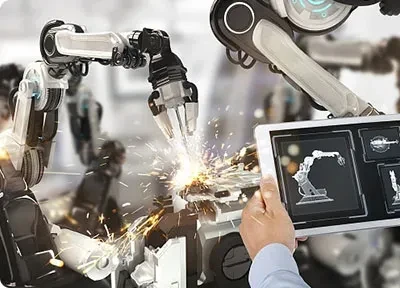
Efficient and flexible - 20+production lines
Equipped with more than 20 motor production lines, flexible production adjustments, regardless of the size of the product batch, can be completed quickly to meet the special needs of customers. The number of motors produced per day can reach 125,000 PCS


Quality First service Priority
Choose the plan that suits you best.

Dynamic Sales Department
Our dynamic sales team consists of 7 skilled members with basic motor knowledge. They respond promptly to customer needs and maintain active communication. Focused on building long-term relationships, our team has achieved a 15% increase in sales over the past year, earning strong customer trust.
Innovative R&D Department
The innovative R&D team includes 10 experts, one with over 15 years of industry experience. They specialize in providing precise motor solutions, addressing customer pain points and challenges. With a 95% project success rate in the last three years, we’ve helped clients reduce technical issues by 30%.

Dedicated Production Department
With 200 line workers, our dedicated production department is committed to quality and continuous improvement. Utilizing lean manufacturing, we deliver over 1 million high-quality motors annually, with a defect rate of less than 0.5%, significantly boosting customer satisfaction.

Meticulous Quality Department
Our meticulous quality team of 20 professionals, including raw material inspectors, patrol inspectors, and shipment inspectors, ensures rigorous quality control at every stage. Adhering to ISO 9001 standards, we achieve a product pass rate of 99.8%, meeting the highest customer expectations.
Benefits of Electric Brushed Motor (Take RC Car Motor for Example)
Brushed motors are affordable
Since they use older, simpler designs, brushed motors can almost always be found within your budget. Prices vary based on motor brand or motor can size, but generally speaking, brushed motors will be less expensive than brushless motors. This lower price is reflected in the retail price of brushed RTRs vs. brushless RTRs, with brushed versions costing 20-40% less! If you're considering buying your first RC car but don't want to spend hundreds of dollars from the get-go, purchasing a brushed RC car will allow you to start your RC journey with only a small investment.
You're less likely to take off your gear
Brushed motors may not have the strength or speed of brushless motors, but more power isn't always a better thing. Your RC vehicle uses a series of internal gears to power the drivetrain, and if these gears are not strong enough to handle the extra power, they tend to fall out. You most often encounter this problem with nylon (plastic) gears, but many people manage to strip metal gears as well! The quality of metal used to make gears varies widely, which means the only way to truly know if a gear will peel is to test it. Since brushed motors spin at a lower speed and produce less power overall, you don't need to worry about removing the gears regularly. While it's still technically possible, the gears are more likely to fall off due to your driving habits (such as accelerating when landing from a jump) rather than overusing the gears on the motor itself.

You won't have cogging problems
Especially with generic or cheap brushless setups, cogging can be a major problem. "Cogging" is when a sensorless brushless motor is over-geared and unable to decide whether to move forward or backward, causing stuttering. Brushed motors don't create gears: they either move or they don't! Brushed motors deliver instant torque from the moment the trigger is pulled and are easier to maintain control at low speeds, making them a popular choice among the RC crawling community.
Wiring is easier
Brushed motors use only two wires, while brushless motors use three wires. In a sensored brushless motor, incorrect wiring can actually damage or completely destroy the motor. This is not a problem with brushed motors though: the worst that can happen is that the vehicle is running in the wrong direction! You can correct this problem simply by a.) switching the motor wires, or b.) using the throttle reverse switch on the controller. With fewer wires to deal with, neatly laying out your remote's wiring will be an easy task!
Brushed settings are suitable for beginners
While an RC car running 60+MPH that can launch off a skate park ramp and land without a scratch sounds amazing, if you're a complete beginner, that's probably not a realistic starting point. Driving fast takes practice, landing correctly takes skill, and the faster you go, the greater the chance of damage (or injury) to your remote. RC cars powered by brushed motors may not go as fast, but they can be just as fun!
How to Tell a Motor is Brushed or Brushless
Check the Appearance
Appearance is often the easiest visual clue to identifying the type of motor. Brushed motors usually have a metal housing with visible rotating parts called "brushes." Brushless motors, on the other hand, are typically more compact and their housing may not expose visible components.
Find the Brush
As mentioned earlier, brushed motors contain brushes inside. You can open the motor case and see if you can find the brushes attached to the rotating part of the motor. These brushes are responsible for transferring electrical current to the rotating part to generate electricity.
Check the number of Threads
Checking the number of wires connected to the motor can also provide clues. Brushed motors usually have two wires, positive and negative, for power supply. In contrast, brushless motors typically have three or more wires because the electronic control required for rotation is more complex.
Find Electronic Controllers
Brushless motors require electronic controllers to manage current supply and rotational phase changes. If you find a small electronic device near the motor, it is most likely the controller for the brushless motor.
Consider Operating Characteristics
There are also differences in the operating characteristics of brushed and brushless motors. Brushless motors are generally more efficient, generate less heat, and provide smoother speed control. Brushed motors may generate more friction and heat and have less stable speed control.
How to Choose the Right Electric Brushed Motor


Motor Diameter
Sizing a brush DC motor to a specific application begins with matching the motor's diameter to the available space. In general, larger frame size motors deliver more torque. Motor diameter ranges from 8 mm to 35 mm.
Length
Various lengths are available, ranging from 16.6 mm to 67.2 mm, to best fit the application package requirements.
Commutation Type
Precious metal brushes are well adapted to low current density applications, providing low friction and high efficiency, whereas high continuous or peak current applications will require graphite-copper brushes.
Bearing Type
Several bearing combinations have been designed, from simple sleeve bearing construction to preloaded ball bearings systems for high axial or radial load applications.
Magnet and Commutation Type
Adapt your motor selection to the power and current needs of your application: NdFeB magnets provide higher output torque than Alnico, at a higher cost. The commutation system (type and size of the commutators) is also reflected in this coding.
Winding
Various winding options are proposed to best match with the application requirements – voltage, resistance and torque constant are the basic parameters for selection.
Electric Brushed Vs Brushless Motors, What Are the Differences
Commutation method
Brushed motors use mechanical brushes and a commutator to switch the current direction in the windings, which in turn generates a magnetic field to produce torque and rotate the motor.
Brushless motors, on the other hand, utilize electronic control and magnetic sensors (e.g., Hall effect sensors) to switch the current direction in the windings without any mechanical contact. This electronic control is often in the form of an external driver or an integrated electronic speed controller (ESC).
Efficiency
Brushless motors are generally more efficient than brushed motors because they don't have the friction and energy losses associated with brushes and commutators. This leads to better performance, longer runtimes, and reduced energy consumption.
Maintenance and lifespan
Brushed motors require more maintenance due to the wear and tear on brushes and commutators, which can eventually lead to a decrease in performance and motor failure. Brush replacements are necessary periodically to maintain optimal performance.
Brushless motors have fewer moving parts and no mechanical contacts, which results in a longer lifespan and reduced maintenance requirements.
Noise and vibration
Brushless motors usually produce less noise and vibration compared to brushed motors because they don't have brushes or commutators that can cause mechanical noise.
Cost and complexity
Brushless motors are generally more expensive and complex due to the requirement of electronic control systems for commutation. However, their advantages in terms of efficiency, lifespan, and maintenance often outweigh the initial cost difference.
Certifications


Our Factory
Our team is composed of passionate and dedicated individuals who are committed to delivering the best possible experience to our clients. Facing trouble we will have a effective communication, work together in a cooperative and productive manner, leveraging each other's strengths and abilities, accept diverse solution and way. In order to provide the high quality service and best solution. We have a complete production system for DC micro motor, it concludes 19 Production lines, Purchasing, R&D, Quality Inspection, Transportation(in short distance in China), Sales departments. Quickly reaction, 100% original manufacture. Thus we have serviced for more than 300+ retailers, many DC motors were sold all round the word factories. And won the high praise from them, keep the long win-win relationship.


FAQ
We're professional electric brushed motor manufacturers and suppliers in China, specialized in providing high quality customized service. If you're going to buy discount electric brushed motor for sale, welcome to get quotation from our factory. For price consultation, contact us.
Light weight small 3v dc motor, 550 electric motor, Micro brushed motor